

I have been training for over eight years to learn about herbology. During this time I have studied traditional herbal systems, modern phytotherapy, and hands-on plant identification and preparation techniques. My education includes:
Apprenticeships with experienced herbalists and clinical practitioners.
Practical training in wildcrafting, sustainable harvesting, and safe plant processing.
Experience analyzing active constituents, extraction methods, and quality control.
Clinical observation and case studies focusing on using herbal teas, infused oils, and topical preparations for common wellness concerns.
Training in contraindications, herb–drug interactions, dosing, and safety protocols for vulnerable populations (pregnancy, children, elderly).
I prioritize evidence-informed practice: I review peer-reviewed research, traditional uses, and clinical outcomes when formulating recommendations. I also emphasize sustainability and ethical sourcing—knowing where and how plants are grown or wildcrafted is as important as knowing their actions.
My eight-plus years of training support responsible, effective recommendations for herbal teas and infused oils aimed at promoting natural wellness and holistic health.
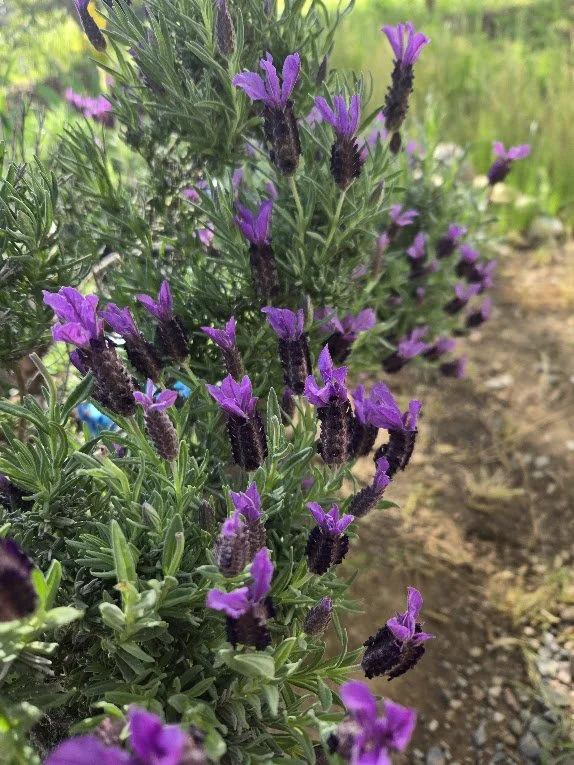
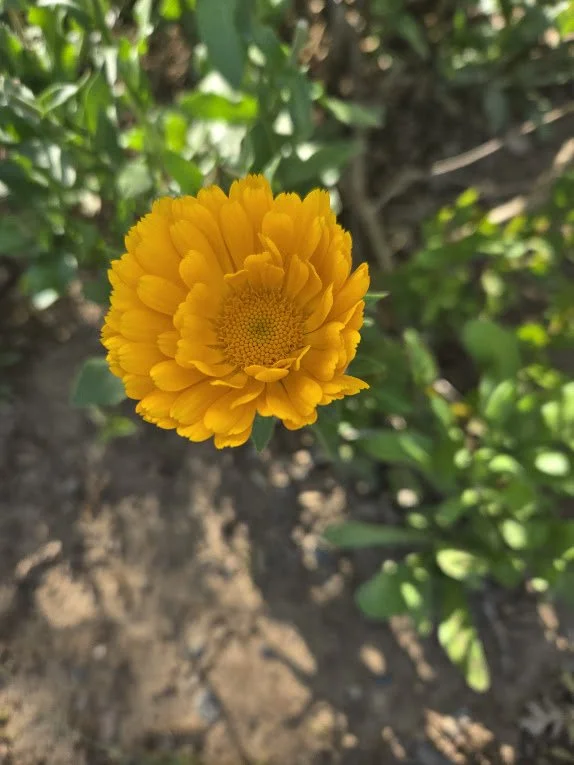
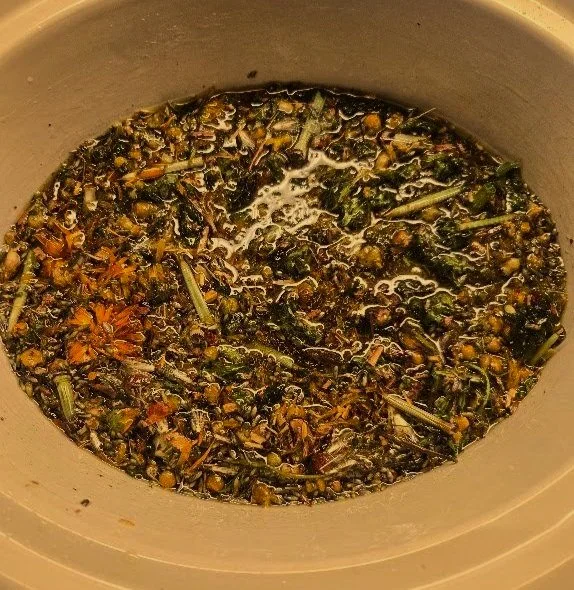
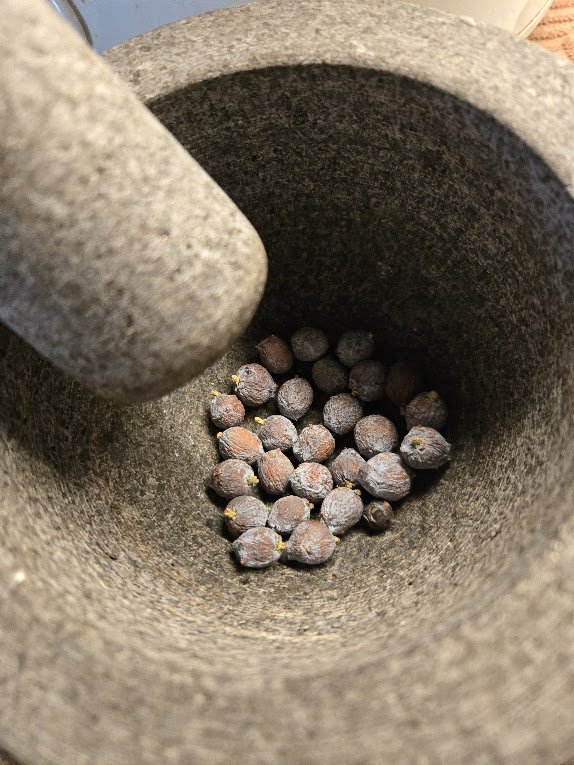
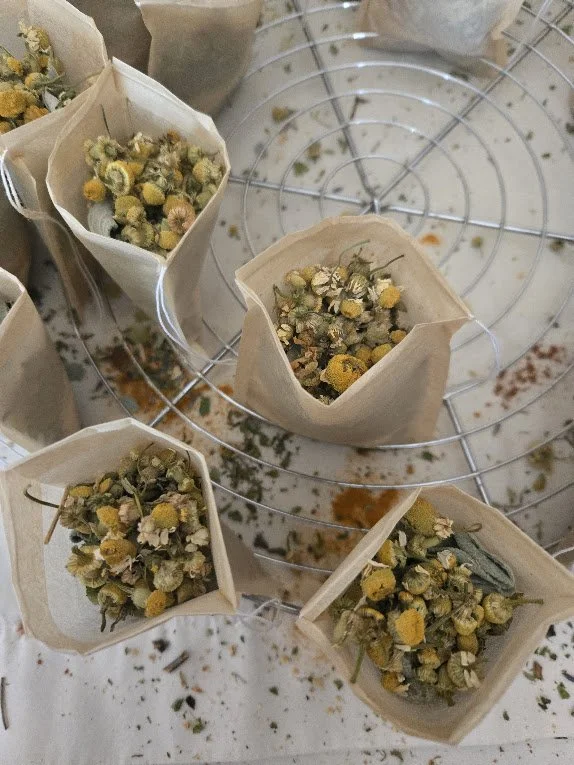
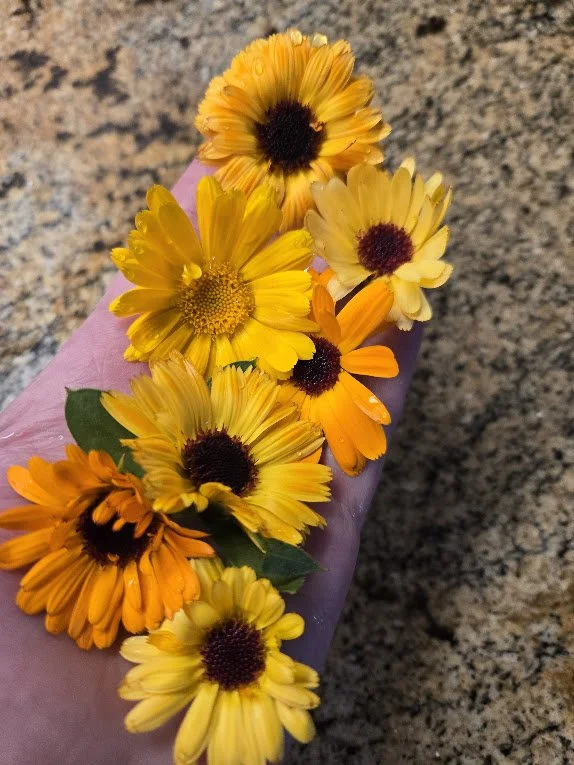
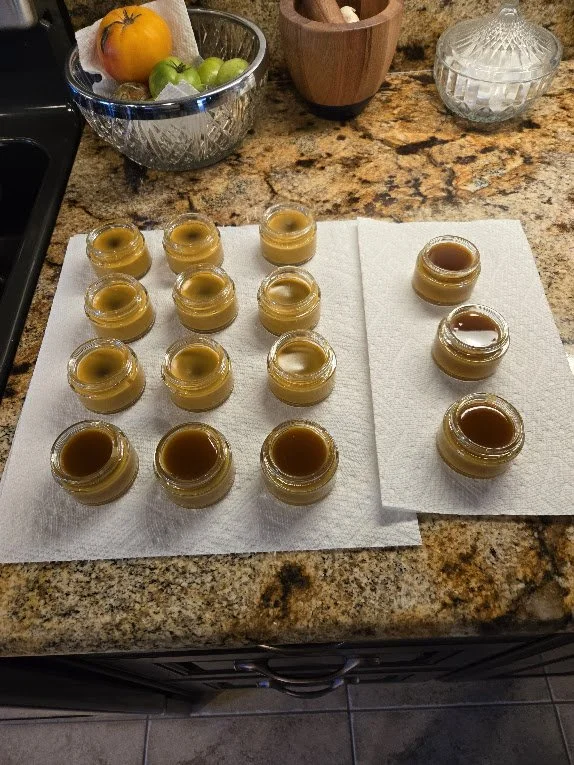
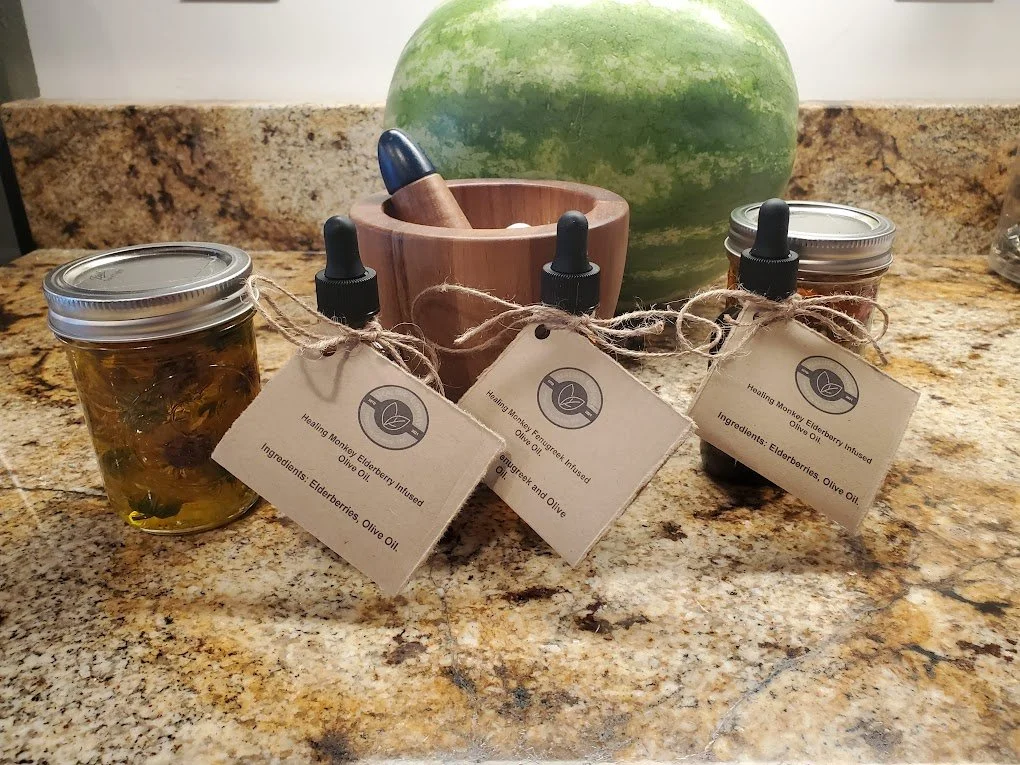
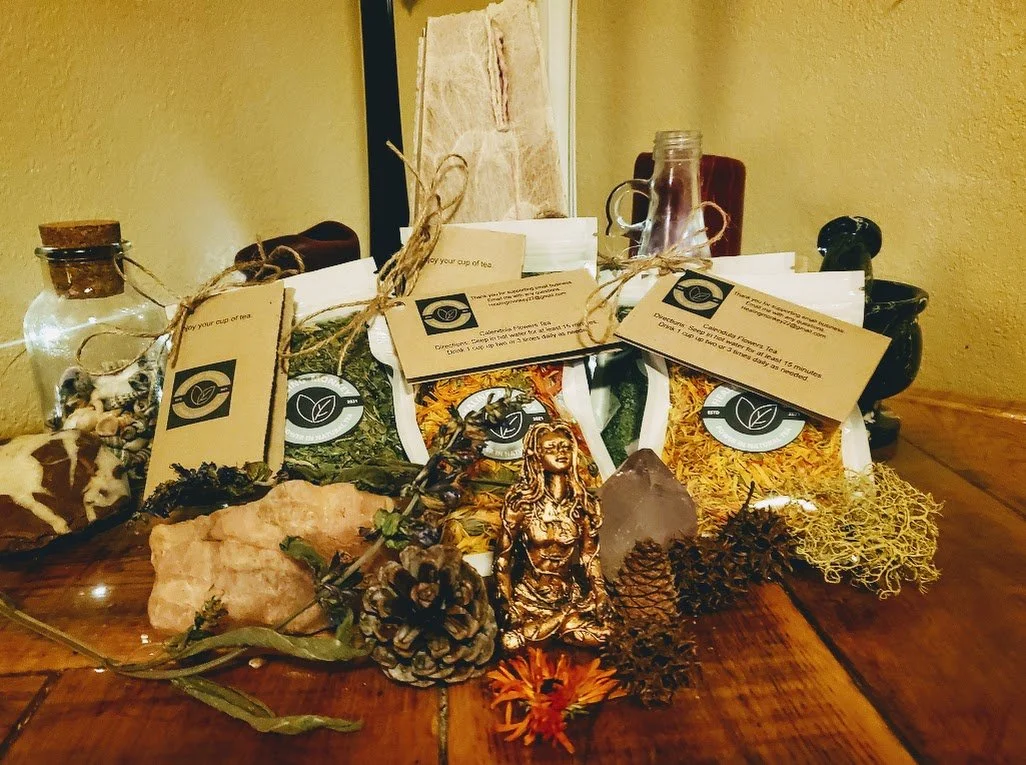
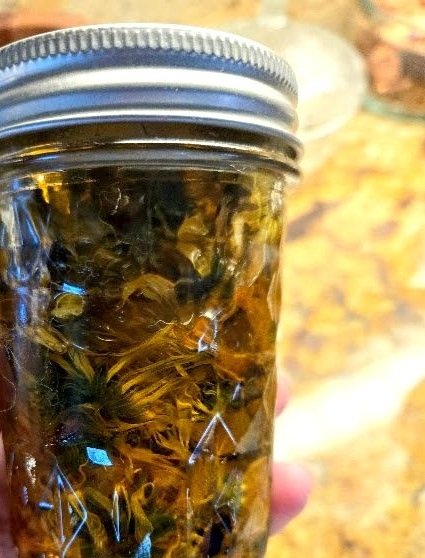
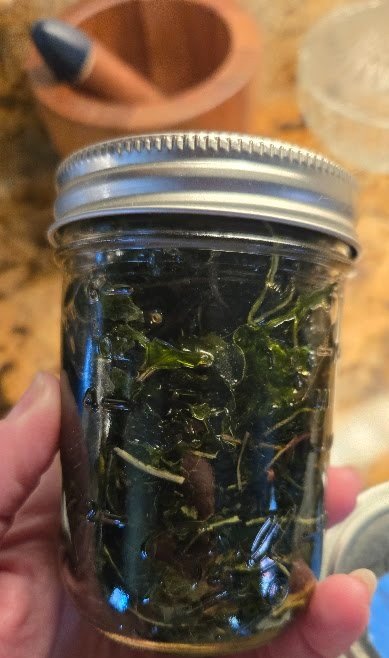
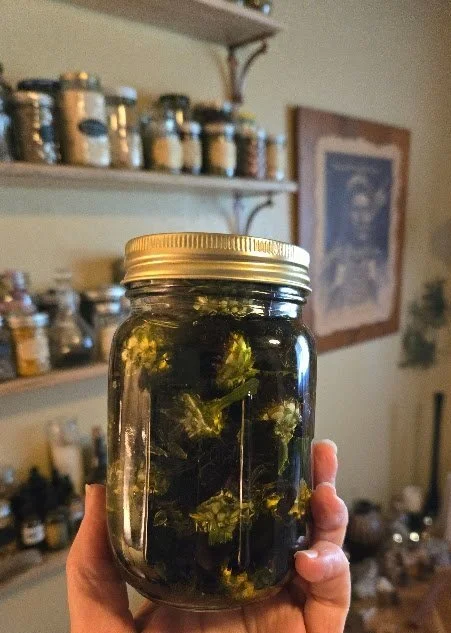
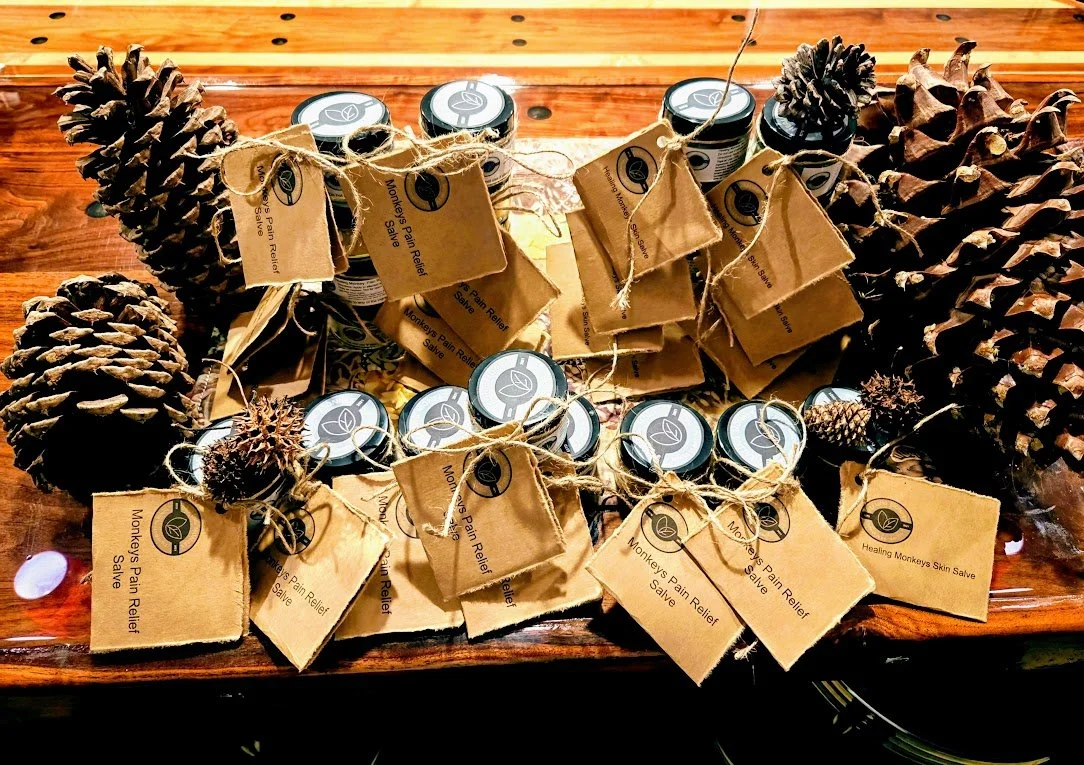
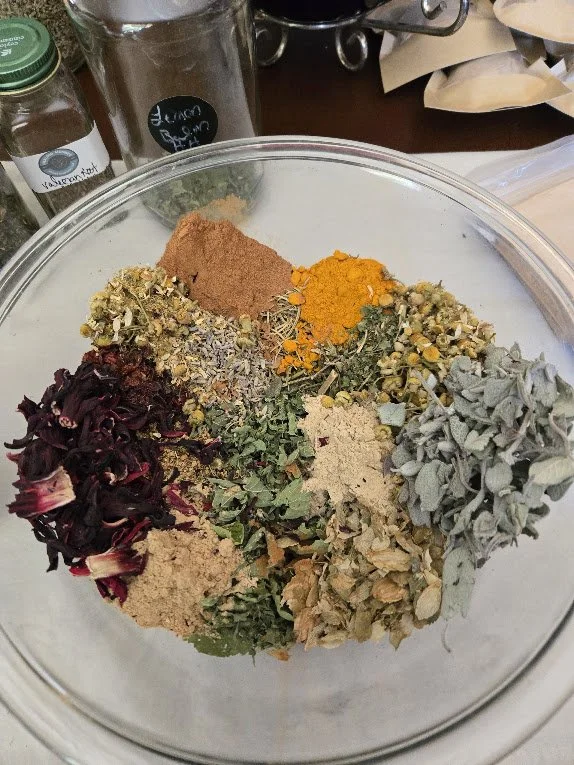
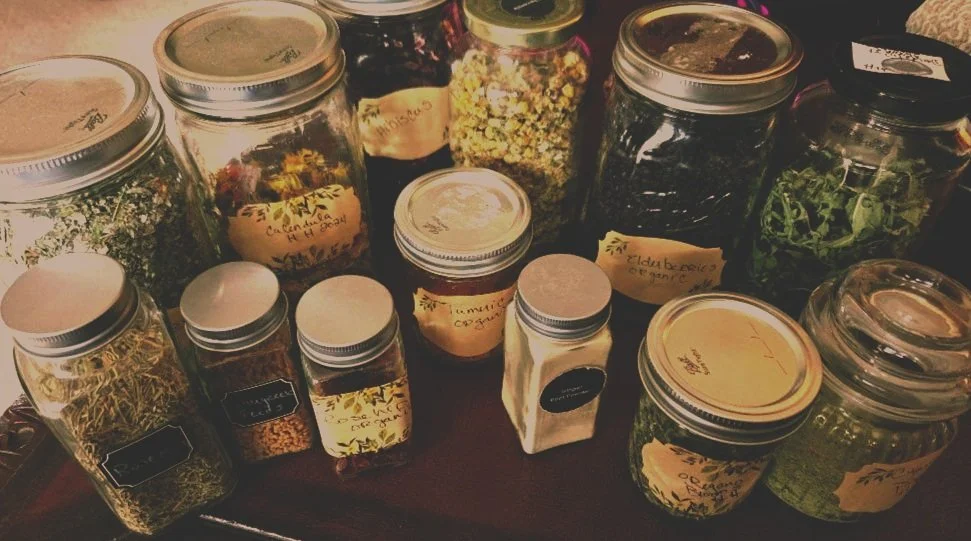
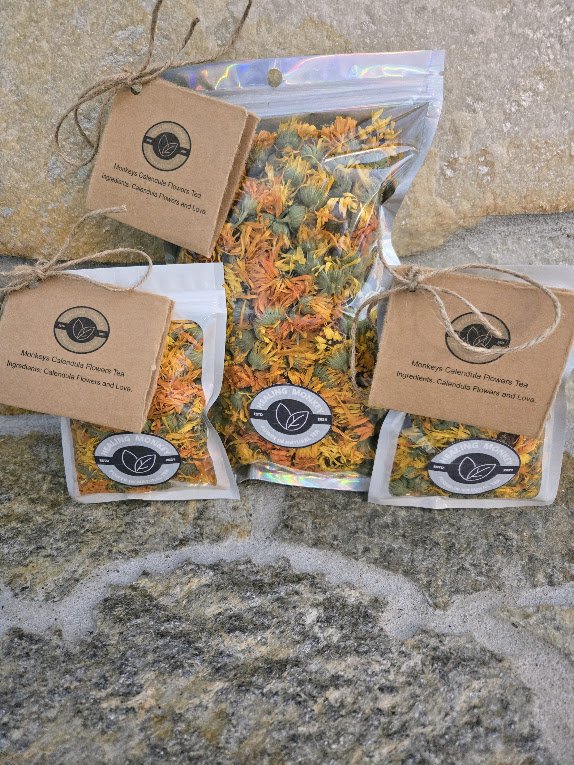
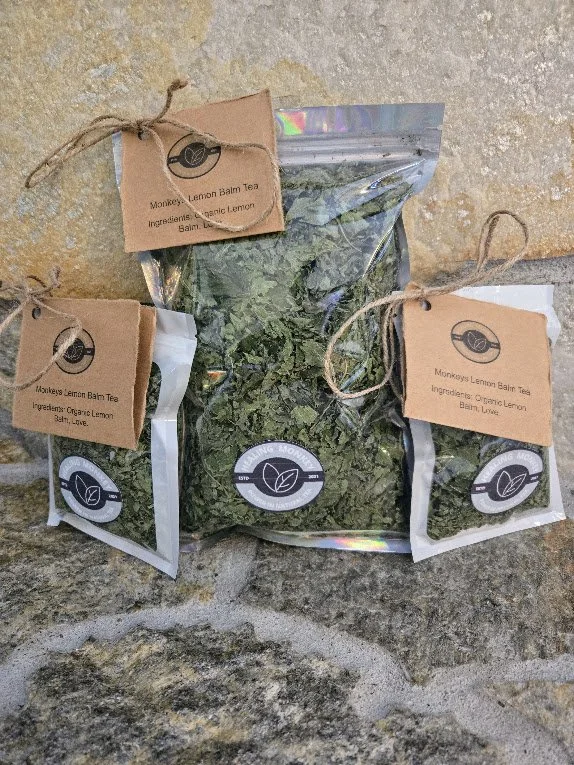
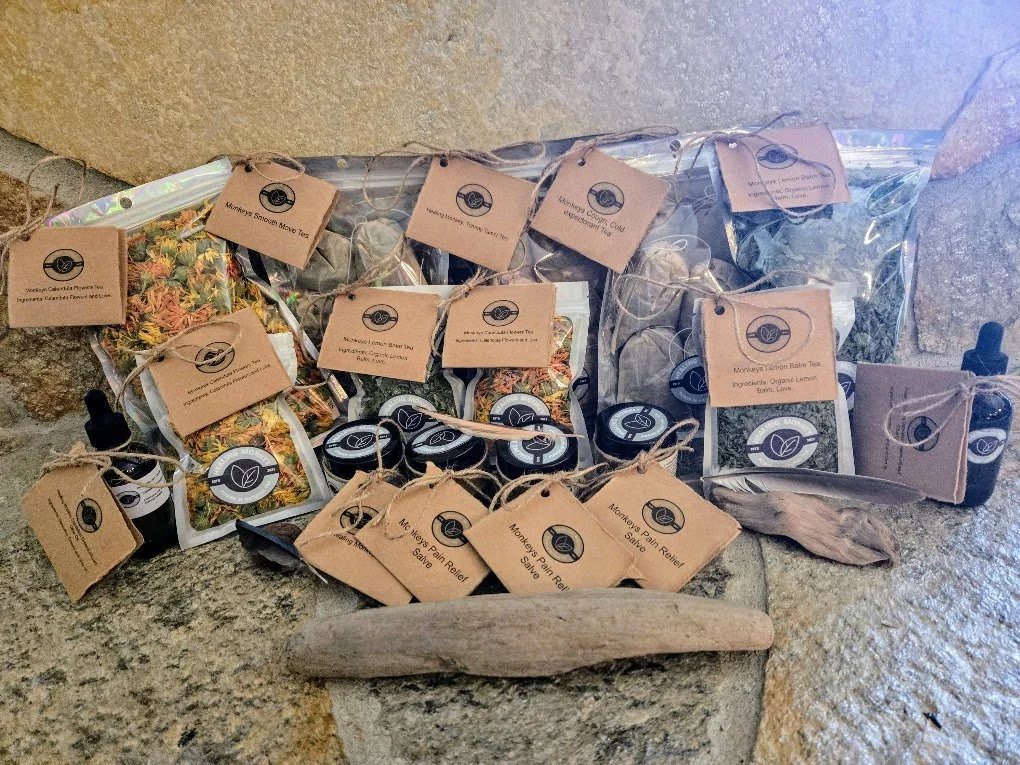
See the pictures below for the process of growing, harvesting, and producing your product.
Reach out today and I can custom make tea to fit your healthcare needs.
Herbal teas are often perceived as gentle and safe, but they can cause side effects—especially when consumed in large amounts, combined with medications, or used by people with certain health conditions. Below is a concise guide to common side effects, higher-risk herbs, interactions, and safety tips.
Common side effects
Digestive upset: nausea, stomach cramps, diarrhea, or bloating—common with strong infusions or laxative herbs (e.g., senna, cascara).
Allergic reactions: rashes, itching, hives, or rarely, anaphylaxis—possible with chamomile, ragweed-related herbs, echinacea, and others.
Headache, dizziness, or jitteriness: often from stimulatory herbs (e.g., yerba mate, guarana) or excessive caffeine in blends.
Low blood sugar: some herbs (e.g., Gymnema, fenugreek) can lower glucose and cause hypoglycemia in people on diabetes medications.
Changes in blood pressure or heart rate: stimulants can raise heart rate/BP; others (e.g., hawthorn) can lower BP or alter heart function.
Hormonal effects: phytoestrogens (e.g., red clover, soy-based teas) may affect estrogen-sensitive conditions.
Liver or kidney stress: herbs like kava, comfrey, chaparral, and high doses of green tea extract have been linked to hepatotoxicity or nephrotoxicity in some cases.
Sedation or impaired coordination: sedative herbs (e.g., valerian, passionflower, hops) can increase drowsiness and interact with sedative medications.
Electrolyte imbalance and dehydration: diuretic herbs (e.g., dandelion, nettle) can increase urination and alter electrolyte balance if overused.
Notable herbs with higher risk
Kava: risk of severe liver injury; may cause sedation and interact with CNS depressants.
Comfrey: contains pyrrolizidine alkaloids linked to liver damage and veno-occlusive disease; avoid internal use.
St. John’s wort: strong interactions with antidepressants, birth control, anticoagulants, and many other drugs via CYP450 induction and serotonin effects.
Licorice (glycyrrhizin): can cause sodium retention
Not suggested for pregnant or nursing women.
These Statements have not been evaluated by the FDA.
This product is not intended to diagnose, treat or cure, or prevent any disease. FDA Not Approved.
Contact us
All the products are made with love. Most of the ingredients come from my garden, if I cant grow them I seek out local vendors and organic grown products. All emails will be answered within 24-48 hours as I am usually in the garden.
These statements have not been evaluated by the FDA. This product is not intended to diagnose, treat, or cure, or prevent any disease.
FDA Not Approved.